
শিল্প খবর
Crystal cat litter works best when you fill the box with 1.5 to 2 inches of silica gel crystals, stir daily to redistribute saturated crystals, and perform a complete change every 3 to 4 weeks for one cat. The most common mistakes include adding too much litter, which reduces absorption efficiency, and failing to remove solid waste daily, which leads to odor buildup.
Unlike clay litter, crystal litter absorbs urine rather than clumping it. The silica gel traps moisture and odor molecules within its porous structure. When used correctly, a single bag can last significantly longer than traditional options while producing less dust and tracking.
Silica gel crystals are synthetic amorphous silicon dioxide with millions of microscopic pores. Each crystal can absorb up to 40% of its weight in liquid while remaining dry to the touch. When your cat urinates, the liquid penetrates the crystal surface and becomes trapped in these pores through physical adsorption.
Most crystal litters include color-changing indicators that shift from clear or white to yellow as they absorb urine. This visual cue tells you when the litter is reaching capacity. However, do not wait for all crystals to change color before maintenance. Once approximately 70% of the crystals show discoloration, it is time for a full replacement.
Without daily stirring, urine pools in specific spots while other areas remain unused. This uneven saturation causes premature odor breakthrough in wet zones and wastes unused dry crystals. A quick stir with a litter scoop redistributes moisture and extends the usable life of the entire box contents.
Start with a clean, dry litter box. Residual moisture from previous litter types reduces crystal effectiveness. Wash the box with mild soap, rinse thoroughly, and dry completely before adding crystals.
The optimal depth depends on your cat's habits and the number of cats using the box:
| Number of Cats | Recommended Depth | Complete Change Frequency |
|---|---|---|
| 1 cat | 1.5 to 2 inches | 3 to 4 weeks |
| 2 cats | 2 to 2.5 inches | 2 to 3 weeks |
| 3 or more cats | 2.5 to 3 inches | 1 to 2 weeks |
Pour crystals slowly to minimize dust. Spread evenly across the bottom of the box. Avoid creating mounds or leaving thin spots in corners where cats typically dig. The surface should be flat and consistent.
Crystal litter requires less scooping than clumping clay but still needs attention. Your daily routine should take less than 2 minutes once established.
Remove feces at least once daily using a slotted scoop. Shake gently to release loose crystals back into the box. Dispose of waste in a sealed bag. Leaving solid waste longer than 24 hours allows bacteria to multiply and creates persistent odors that crystals cannot fully absorb.
Use your scoop to turn over the crystals, bringing dry material from the bottom to the top and mixing wet crystals throughout. This prevents the formation of saturated pockets and ensures even usage. Stirring also helps release trapped urine from crystals that have reached capacity, allowing them to continue absorbing.
During stirring, observe the color distribution. If you notice large areas of yellow crystals or detect ammonia odors despite stirring, the litter is nearing the end of its useful life. Do not add fresh crystals on top of saturated ones. This creates a wet layer beneath dry crystals and traps odors.
Many cat owners transition to crystal litter expecting low maintenance but encounter problems due to incorrect usage patterns. Here are the most frequent errors and how to prevent them.
Adding 3 or 4 inches of crystals seems logical for better absorption, but it actually reduces performance. Deep layers prevent proper stirring and create anaerobic zones where odors develop. Excess crystals also increase tracking as they spill over the box edges. Stick to the recommended 1.5 to 2 inch depth and replace completely when needed rather than building up layers.
Never mix crystal litter with clay, paper, or pine products. Each type has different absorption mechanisms and maintenance needs. Clay dust coats crystal pores and reduces their effectiveness. Mixed litters are impossible to maintain properly because scooping techniques differ. If transitioning, empty the box completely and start fresh.
Cats familiar with clay litter may hesitate to use crystals initially. The texture feels different under their paws, and there is no clumping to trigger their natural covering instinct. A gradual transition over 7 to 10 days improves acceptance. Start by mixing a small amount of crystals into the existing clay litter, gradually increasing the ratio until you reach 100% crystals.
Crystal litter does not last indefinitely. Once saturated, crystals release ammonia back into the environment. If you notice odors immediately after stirring or see that most crystals have turned yellow, the litter is exhausted. Continuing to use saturated litter creates an unpleasant environment for your cat and may cause them to eliminate outside the box.
Crystal litter excels at odor control when used correctly, but several factors influence its performance.
Place the litter box in a well-ventilated area. Enclosed spaces trap humidity and reduce the evaporation that helps crystals regenerate between uses. Avoid bathrooms with poor airflow or closets without ventilation. Ambient humidity above 60% reduces crystal absorption capacity and shortens usable life.
High-sided boxes work well with crystal litter because the lightweight crystals scatter easily during digging. Covered boxes help contain dust during pouring and stirring, but ensure they have ventilation holes to prevent moisture buildup. Remove hoods if you notice condensation inside the cover.
In multi-cat households, odor control becomes more challenging. The general rule is one box per cat plus one extra. With crystal litter, you may need to change litter more frequently rather than simply adding more boxes. Three cats using two boxes with weekly changes will create more odor than three cats using three boxes with bi-weekly changes.
Crystal litter is generally safe but requires awareness of specific health factors.
While silica gel is non-toxic, ingestion of large quantities can cause gastrointestinal upset. Kittens, who explore with their mouths, may try to eat crystals. Monitor young cats during introduction and discourage eating. If your cat regularly consumes litter, consult a veterinarian as this may indicate nutritional deficiencies or pica.
Crystal litter produces less dust than clay, but pouring creates temporary silica particles in the air. Pour slowly and consider wearing a mask if you have respiratory sensitivities. Once settled, crystal litter remains virtually dust-free, making it suitable for cats and owners with allergies or asthma.
Because crystal litter absorbs urine completely, you cannot easily monitor output volume or check for blood in urine. For cats with urinary issues, consider using a litter that allows liquid observation or place a special litter in a separate box for periodic health checks. Watch for signs of urinary distress such as frequent box visits, straining, or vocalization during elimination.
Proper usage makes crystal litter economical despite higher upfront costs compared to clay.
A standard 4-pound bag of crystal litter typically costs between $8 and $12 and lasts one cat approximately one month. A comparable month of clay litter requires 20 to 30 pounds at $10 to $15. However, improper crystal litter usage that requires premature changes can eliminate these savings. Following the maintenance schedule ensures you achieve the advertised longevity.
Used crystal litter belongs in trash, not toilets or compost. The silica gel does not biodegrade and can damage plumbing. Some manufacturers offer recycling programs for empty bags. The reduced weight compared to clay means lower transportation emissions and less landfill volume per use cycle.
Daily stirring extends crystal life by 20 to 30% compared to unstirred litter. Removing solid waste promptly prevents bacterial contamination that forces early changes. Using the correct depth prevents overuse of product. These habits reduce both environmental impact and your total expenditure.
Even with proper technique, you may encounter specific problems. Here are solutions to frequent concerns.
Crystal pieces are lightweight and can stick to paws. Place a litter mat outside the box to catch escaping particles. Choose larger crystal sizes, which track less than fine-grain varieties. Keep the litter level at the lower end of recommended depth to reduce spillover during digging.
If your cat avoids the crystal litter box, check these factors:
If refusal persists after two weeks, crystal litter may not suit your cat's preferences. Forcing the issue can lead to inappropriate elimination behaviors.
If odors develop before the expected change date, evaluate your stirring frequency. Inadequate mixing creates saturated zones that smell despite unused crystals elsewhere. Check that you are using enough litter for your cat's output. Large cats or those with high fluid intake may need more frequent changes than standard schedules suggest.
Crystal cat litter offers convenience and odor control when you respect its unique properties. Success depends on three core practices: proper filling depth, daily stirring, and timely complete changes. Avoid the temptation to overfill or extend usage beyond saturation points.
Monitor your cat's acceptance during the first month. Some cats adapt immediately while others require patience. The benefits of reduced dust, lighter weight, and excellent odor control make crystal litter worth the adjustment period for most households. Maintain consistent habits, and you will maximize both performance and value.
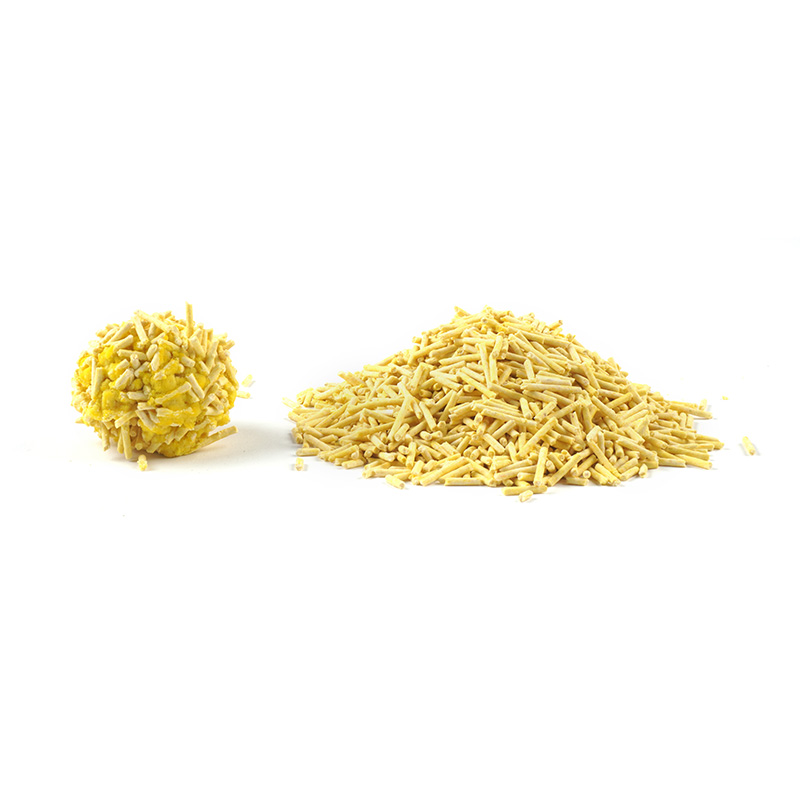
তোফু বিড়াল লিটার
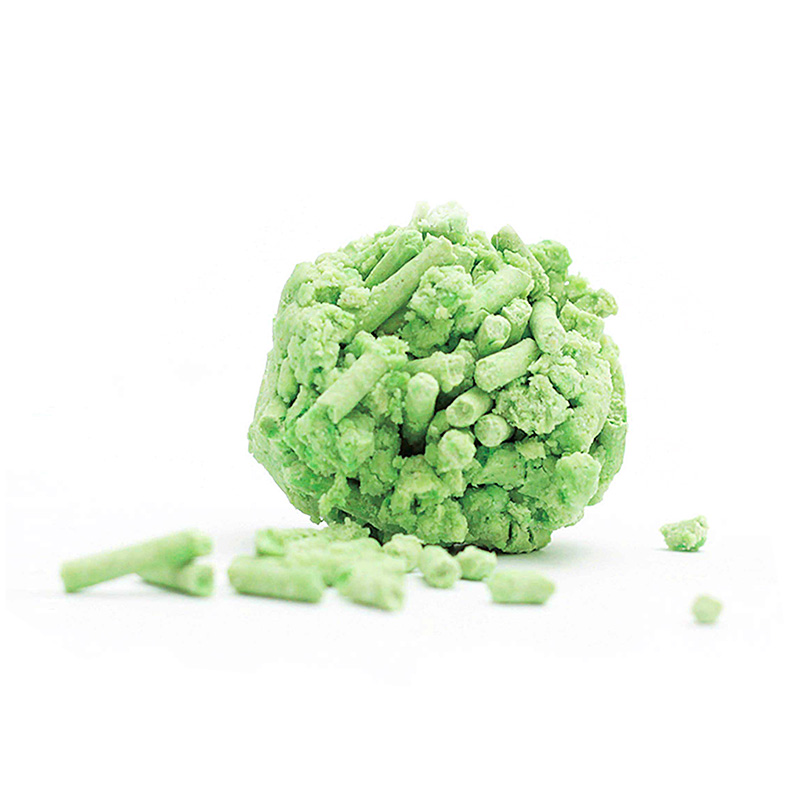
তোফু বিড়াল লিটার
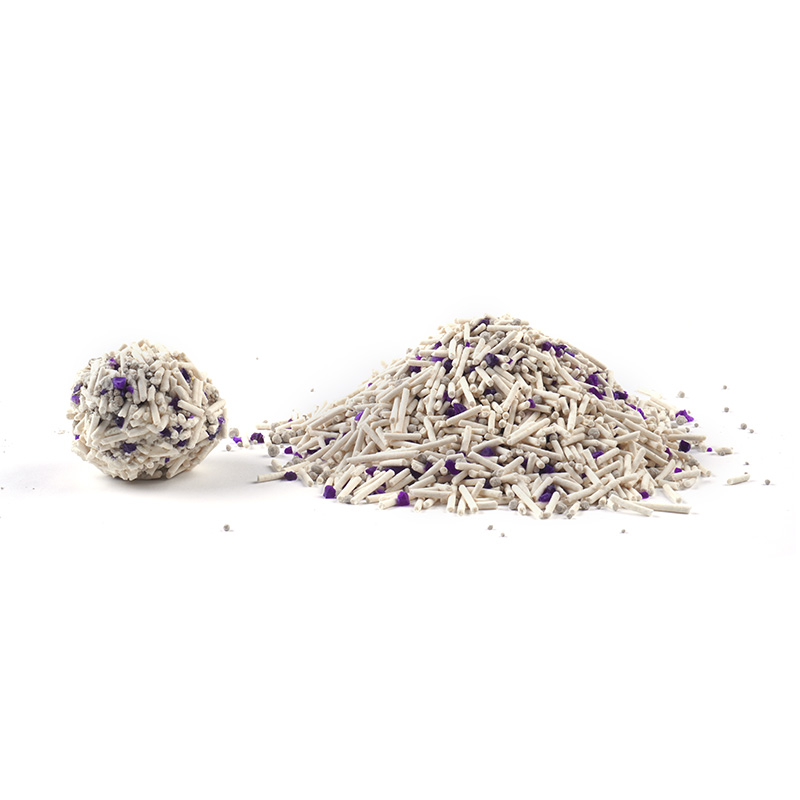
মিশ্র বিড়াল লিটার
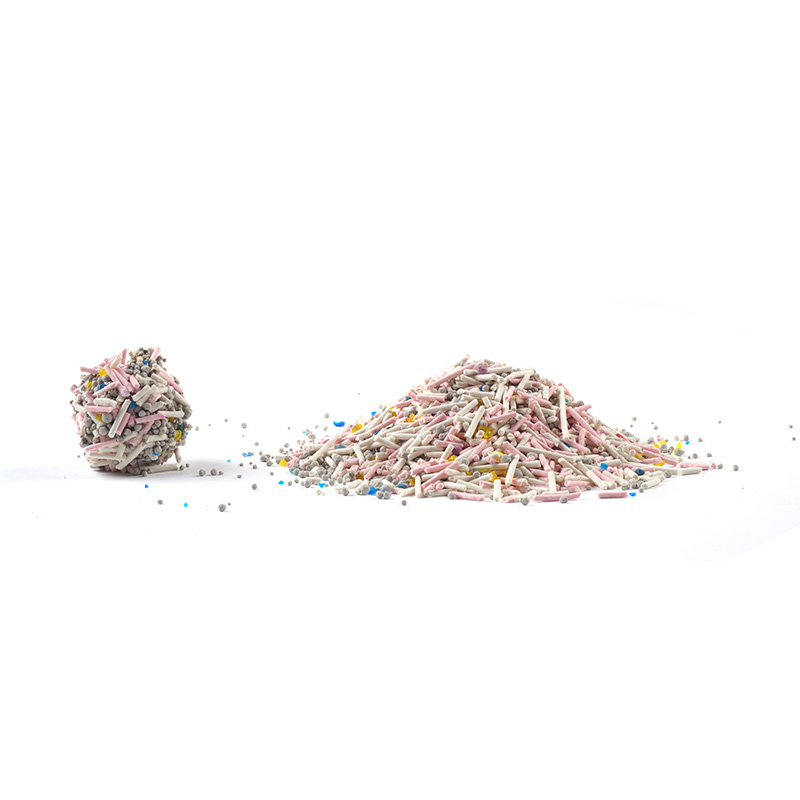
মিশ্র বিড়াল লিটার
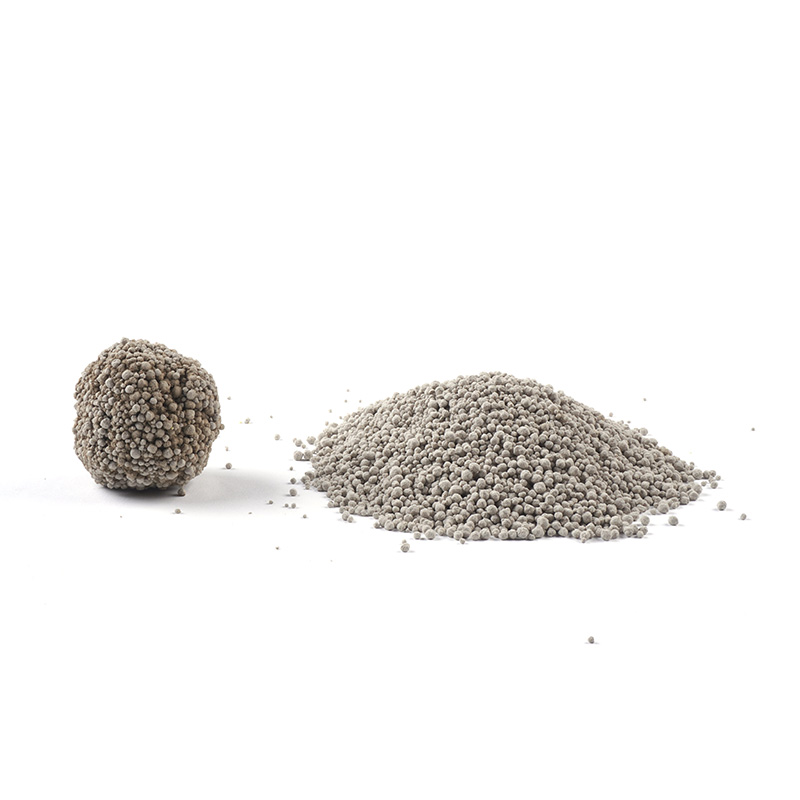
বেনটোনাইট বিড়াল লিটার


প্রশ্ন পেয়েছেন? আমাদের 24/7 কল করুন
No.88, Quandu Road, Xigang Town, Tengzhou City, Shandong, China. (জিনচেং বিজ্ঞান ও প্রযুক্তি পার্ক)




